



Practical Strategies for Saving Money in U.S. Healthcare Copy

The rising costs of healthcare in the United States can be a significant financial burden for many individuals and families. However, there are practical strategies that readers can implement to save money without compromising their health. By being proactive and informed, individuals can navigate the complex healthcare system more effectively and make financially savvy decisions.
One key approach to save money in U.S. healthcare is to take advantage of preventative services. Regular check-ups, screenings, and vaccinations can help detect potential health issues early on, preventing costly treatments in the future. Many insurance plans cover these preventive services at no additional cost to the patient, making them a cost-effective investment in long-term health.
Listen to this month episode
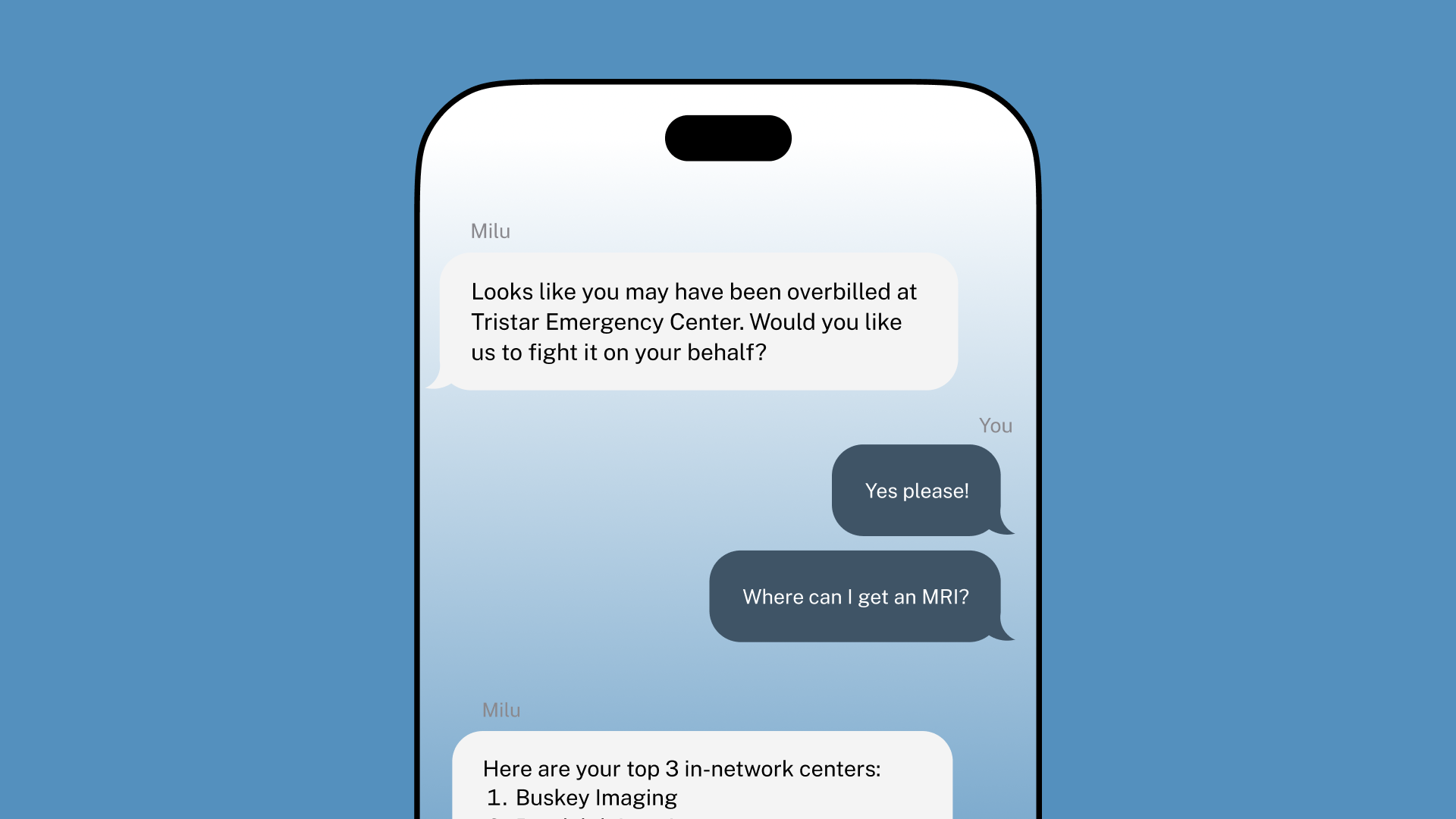
Understanding health insurance coverage is crucial for saving money in the U.S. healthcare system. Reviewing insurance policies to grasp the extent of coverage, copayments, and deductibles can help individuals make informed decisions about their healthcare choices. Utilizing in-network providers and generic medications whenever possible can also contribute to substantial savings, as these options are often covered more comprehensively by insurance plans.
Prescription medications can be a significant expense for many individuals. To save money on medications, consider exploring generic alternatives, participating in prescription discount programs, or asking healthcare providers for samples. Additionally, some pharmacies offer discounted prices for certain medications, and it's worth comparing prices at different pharmacies to find the best deals.
Conclusion
Taking an active role in managing one's health and wellness can also contribute to long-term cost savings. Adopting a healthy lifestyle, including regular exercise, a balanced diet, and stress management, can reduce the risk of chronic illnesses and the associated medical expenses. By focusing on preventive measures and maintaining overall well-being, individuals can potentially minimize the need for costly medical interventions.
In conclusion, saving money in U.S. healthcare requires a combination of proactive measures and informed decision-making. Embracing preventative services, shopping around for healthcare options, understanding insurance coverage, exploring cost-effective prescription alternatives, and prioritizing a healthy lifestyle can all contribute to significant savings in the complex landscape of U.S. healthcare. Empowering oneself with knowledge and taking practical steps can help mitigate the financial impact of healthcare expenses while promoting overall well-being.


